Quartz vs Granite Countertops • Jacksonville, FL

Quartz vs Granite Countertops in Jacksonville, FL

Quartz vs granite countertops is the decision most Jacksonville kitchen remodels come down to, and there is no universal winner — there is the right surface for how your kitchen actually gets used. Quartz is an engineered slab with a consistent pattern and a nonporous surface that never needs sealing. Granite is a natural stone, cut from a specific slab you pick out, with movement and depth no manufactured pattern fully copies. This guide compares the two honestly — heat, stains, sunlight, upkeep and installation — so a busy Florida kitchen gets the counter it can live with.

Liability insured · Jacksonville, FL

5.0 · 37 Google reviews
  • Slab-by-slab honest comparison
  • Sun, heat and stain checks
  • Free in-home estimate

Braga Remodeling helps you choose with the kitchen in front of us: how you cook, how much sun the room gets, and whether sealing a counter once in a while fits your routine — then the choice goes in the written estimate.

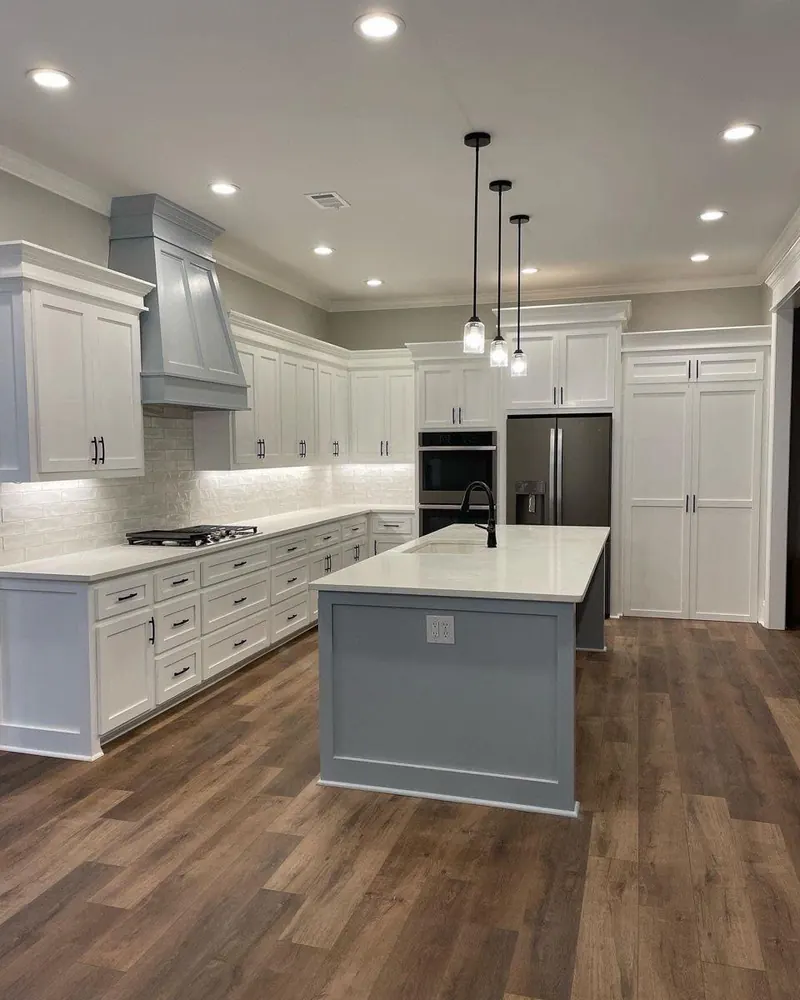
Kitchen with gray island countertop remodeled by Braga Remodeling in Jacksonville, FL
Liability InsuredCoverage in place for your home
Workmanship WarrantySee what the warranty covers
Free In-Person EstimateWe measure, then put the scope in writing
5.0 · 37 Google ReviewsRated by Jacksonville homeowners

Overview

Two different materials, two different kinds of easy

Quartz vs granite countertops starts with what each slab actually is. Quartz countertops are manufactured: crushed quartz stone is bound together with resin and pigment, pressed into slabs with a pattern that stays consistent from the sample to the finished kitchen. Granite is quarried natural stone, cut and polished, and every slab is one of a kind — the veining and color movement you see at the slab yard is exactly what lands on your cabinets. Homeowners planning a full kitchen remodeling project usually meet both options in the same week, and the samples alone rarely settle it, because these materials differ most in daily use, not in the showroom.

Daily care is where quartz earns its following in busy Jacksonville homes. The surface is nonporous, so it does not need sealing, and coffee, oil and tomato sauce wiped up after dinner do not soak in the way they can on unsealed stone. Granite is porous by nature, which is why it is sealed at installation and needs resealing over time — a simple wipe-on process, but one that has to actually happen. In our Northeast Florida jobs, the honest question is not which material is tougher in theory; it is whether anyone in the house will remember the sealer. A granite kitchen in Mandarin where the homeowner happily reseals on a schedule stays beautiful. The same counter in a household that cooks three meals a day and wipes up later is where stains start.

Heat and sunlight pull the comparison the other way. Granite comes out of the earth and handles a hot pan set down in a hurry better than quartz, whose resin binder is the weak point — a trivet or hot pad is a real habit with quartz, not a suggestion, because intense heat in one spot can mark or crack the surface. Sunlight matters in Florida too: many kitchens in Nocatee, Ponte Vedra and St. Johns have large windows or sliders over the sink, and strong sun on the same section of quartz day after day can fade or discolor the resin over time. Granite, being natural stone, does not fade that way. Neither material is fragile — both are hard, heavy, long-service countertops — but each one asks for a different kind of care.

The last differences show up at installation and over the years. Both materials are templated after the cabinets are set and level, fabricated off site, and installed in large, heavy sections, so seams are planned, not improvised — seam placement, edge profile, sink cutout and support for a long island overhang belong in the plan for either stone. Quartz offers pattern consistency, which makes seam matching and a uniform island color easier across a big kitchen. Granite offers the opposite appeal: you select your actual slabs, and in a kitchen with an island we look for a slab layout where the movement flows instead of colliding at a seam. What drives the project scope is shared either way: how many slabs the layout takes, the cutouts, the edge profile, and whether the backsplash is stone, tile or a short splash — all of it settled before templating, not during install day.

  • Quartz upkeep

    Nonporous, no sealing, wipes clean

  • Granite upkeep

    Natural slab, sealed at install and resealed over time

  • Heat

    Granite tolerates hot pans; quartz needs trivets

  • Sunlight

    Granite does not fade; strong sun can mark quartz resin

Side-by-Side

Where quartz wins, and where granite wins

Quartz: Consistent and Nonporous

Because quartz is manufactured, the color and pattern on the sample is what you get across every slab — helpful in a large kitchen or a long island where mismatched movement between slabs would show. The nonporous surface resists staining from the everyday list: coffee, wine, cooking oil and sauces, as long as spills are wiped up as part of normal cleanup.

  • No sealing, ever
  • Pattern consistent slab to slab
  • Stain-resistant for busy family cooking

Quartz: Heat and Sun Are the Limits

The resin that binds quartz is its weak point. A hot pan set straight from the burner or oven onto the counter can scorch, discolor or crack that spot, so trivets become part of the routine. Prolonged direct sun through a south-facing window or slider can also fade the color over time — worth checking where the sun actually lands in your kitchen before choosing.

  • Trivets for every hot pan, no exceptions
  • Check direct-sun exposure at the sink and island
  • Avoid harsh abrasive cleaners on the resin surface

Granite: Natural, Heat-Tolerant, One of a Kind

Granite is a specific slab of real stone that you can walk up to and choose. Its mineral pattern has depth manufactured slabs imitate but do not duplicate, and it tolerates the heat of daily cooking — a pan set down briefly is not the emergency it is on quartz. It also holds up well in sun-filled Florida kitchens, with no resin to fade.

  • You select your actual slabs at the yard
  • Handles hot pans better than quartz
  • Sunlight does not fade natural stone

Granite: Sealing Is Part of Ownership

Granite is porous, so it is sealed when installed and needs resealing over time — how often depends on the stone and how hard the kitchen works. Between sealings, spills like oil and red wine should not sit for hours, especially on lighter stones where a stain shows. Homeowners who like the ritual of caring for real materials do fine; households that know they will skip it should hear that plainly before choosing.

  • Sealed at installation, resealed over time
  • Wipe oil and wine spills rather than leaving them
  • Each slab varies — inspect the real stone, not just a sample

The Busy Florida Kitchen Test

Put the two side by side against a normal week in your house: weeknight cooking with pans moving fast, kids doing homework at the island, beach sand and grit tracked in from Jacksonville Beach or Ponte Vedra weekends, and bright sun through the sliders most of the year. Quartz suits the household that wants wipe-and-forget upkeep and cooks with trivets by habit. Granite suits the household that sets pans down without thinking and will keep up with sealing — and wants a slab that is genuinely theirs alone.

  • Match the material to real habits, not ideal ones
  • Dark polished surfaces on either stone show water spots and crumbs
  • Edge profile and seam plan matter on both materials
Get a Free Kitchen Estimate

Our Process

How a countertop choice becomes an installed counter

01

Kitchen Visit & Habit Check

We look at the kitchen as it is used: cooking style, sun exposure through the windows, the existing counters and cabinets, and whether new cabinets are part of the project. The quartz-versus-granite recommendation follows those facts, not a preference for one material.

02

Slab Selection

For quartz, we confirm the color and pattern across the number of slabs your layout needs. For granite, you view and reserve the actual slabs, and we talk through how the movement will run across the island and where seams will land before anything is cut.

03

Template After Cabinets Are Set

Countertops are templated only after the cabinets are installed and level — the template records the exact walls, sink position, cooktop cutout, overhangs and edge profile, so the fabricated stone fits the real kitchen instead of the drawing.

04

Fabrication & Installation

The slabs are cut and finished off site, then delivered and set as heavy sections. Seams are joined and leveled, the sink is mounted, and granite is sealed as part of the installation so it starts its life in your kitchen protected.

05

Care Walkthrough

We finish by going over the care that matches your material: trivets and sun awareness for quartz, the resealing routine and spill habits for granite — in plain terms, so the counter still looks right years from now.

Service Areas

Countertop and kitchen estimates across Jacksonville

The same kitchen visit and countertop planning is done in Mandarin, St. Johns, Orange Park and Ponte Vedra.

  • Jacksonville
  • Ponte Vedra
  • Nocatee
  • St. Johns
  • St. Augustine
  • Jacksonville Beach
  • Orange Park
  • Fleming Island
  • Mandarin
  • San Jose
  • Riverside
  • Julington Creek
  • Atlantic Beach

Check your service area

Enter your ZIP to see whether it is on our standard Jacksonville-area service list.

Explore remodeling service areas

FAQ

Quartz vs Granite Questions

It depends on which habit your family actually has. Quartz is nonporous and never needs sealing, so it suits a kitchen where spills get wiped up during normal cleanup and nobody wants a maintenance routine — as long as hot pans land on trivets. Granite tolerates heat better and does not fade in strong sun, but it is porous, so it needs periodic resealing and spills like oil or wine should not sit for hours. We ask how the kitchen is really used during the free in-home visit and recommend from that, not from a generic ranking.

Yes — the resin binder in quartz is sensitive to sudden, intense heat in one spot, and a pan straight off the burner or out of the oven can mark, discolor or crack the surface. The fix is simple and absolute: trivets or hot pads every time. Granite, as natural stone, tolerates brief contact with hot pans far better, which is one reason serious cooks who move fast often prefer it.

It varies with the stone and how hard the kitchen works — lighter, more porous granites need attention sooner than dense dark ones. The practical test is the surface itself: when water no longer beads and starts to darken the stone as it sits, the sealer is wearing off. Resealing is a wipe-on, wipe-off process, but it does have to happen; if you know it will be skipped, quartz is the more honest choice.

It can. The resin in quartz may fade or discolor where strong direct sun hits the same section day after day — common at a sink under a large window or an island beside sliders, which many Jacksonville and Ponte Vedra kitchens have. Granite is natural stone and does not fade that way. During the kitchen visit we look at where the sun actually lands before recommending a material or a color.

With granite, yes — you select and reserve the actual slabs, and we plan seam placement around the real pattern in that stone. With quartz, the manufactured pattern is consistent from slab to slab, so the sample represents the finished counter closely, including how a large island will look without a pattern mismatch between sections.

After. Cabinets are installed and leveled first, then the countertops are templated from the finished cabinets — exact measurements for sink and cooktop cutouts, overhangs and edges. Only then are the slabs fabricated and installed. Choosing quartz or granite happens earlier in the project, but the stone itself is measured to the kitchen as built, which is why the countertop decision and the cabinet decision are planned together.

Call (904) 520-1994 or use the estimate form. We visit the kitchen, check sun exposure and how the room is used, confirm whether cabinets are part of the scope, and provide a written estimate with the countertop material and what is included spelled out.

Google Reviews

Rated 5.0 by Jacksonville homeowners

5.0 average from 37 reviews on Google

Read our Google reviews

“I had a great experience with this construction company. They were honest, reliable, and did exactly what they promised. The team was professional, hardworking, and paid attention to every detail.”

Acsa S.

“We had an overall wonderful experience with Braga Remodeling. They were responsible, professional and communicated well throughout the process.”

Luna W.

“Excellent service and outstanding workmanship! The crew was punctual, respectful, and very knowledgeable throughout the entire project.”

Marcela S.

Get a countertop recommendation in writing

Tell us how your kitchen gets used — heavy cooking, kids at the island, strong afternoon sun. We will check the room, talk through quartz and granite honestly, and put the right one in a written estimate. Prefer to talk? Call (904) 520-1994 or email braga@bragaremodeling.com.

Call (904) 520-1994

Get Your Free Estimate

Tell us about your project and we'll respond within a few business hours.

Check your service area

Enter your ZIP to see whether it is on our standard Jacksonville-area service list.