Luxury Vinyl Plank • Jacksonville, FL

How Long Does LVP Flooring Last: What Decides It in Florida

How long does LVP flooring last is the right question to ask before you choose a plank, because two floors sold under the same name can age very differently in the same Jacksonville home. The plank itself matters — its wear layer and core — but so do the sun coming through the sliders, the sand tracked in from the beach, the flatness of the slab underneath, and whether water is left standing on the seams. This guide walks through each lifespan driver we check on luxury vinyl plank jobs, what wears an LVP floor out early, and the care habits that keep it looking right for the long run.

Free written estimates · Jacksonville, FL

Google reviews
  • Wear layer matched to the room and traffic
  • Slab and subfloor checked before installation
  • Free in-home estimate

Braga Remodeling measures your home, checks the slab or subfloor, and helps you match the plank to the room before a free in-home written estimate.

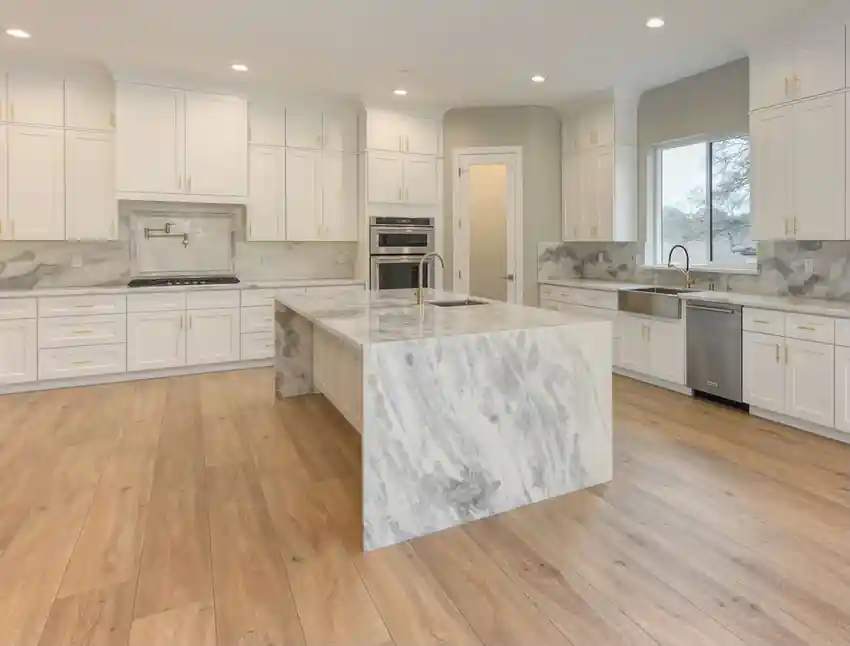
Finished luxury vinyl plank floor in a Jacksonville home by Braga Remodeling
Written EstimateScope and price before work starts
Workmanship WarrantySee what the warranty covers
Free In-Person EstimateWe measure, then put the scope in writing
Google ReviewsRead reviews from Jacksonville homeowners

Overview

The lifespan is decided by the plank, the installation, and the room

Start with the only lifespan number that is tied to your specific floor: the wear warranty printed for the exact product you buy. Manufacturers rate different planks differently, and the rating follows the wear layer — the clear protective top layer measured in mils. A thicker wear layer, such as the 20 mil rating common on heavier-duty residential planks, has more protective material to wear through before foot traffic, chair legs, and grit reach the printed design layer underneath. A thin wear layer in a busy kitchen in Mandarin or a rental in Orange Park is being asked to do a harder job with less material, and it shows it sooner. On the estimate visit we ask which rooms get the hardest use first, because that answer — not the color sample — is what should set the wear-layer floor for the whole purchase.

The core underneath matters next. Rigid-core planks hold their locking joints tight when the floor underneath is flat and the temperature swings are reasonable, and tight joints are what keep the floor quiet, level, and sealed at the seams. That is why installation quality is a lifespan issue, not just a looks issue. In our jobs across Jacksonville, St. Johns, and Nocatee, the LVP floors that age badly early almost always trace back to the same short list: a slab that was not checked for flatness, expansion space left out at the walls, planks installed over debris or old adhesive ridges, or a product forced into a room it was not rated for. The plank did not fail on its own schedule — the conditions around it shortened the schedule.

Florida adds two local drivers that national buying guides underplay. The first is sun: south- and west-facing glass sliders and large windows in Ponte Vedra, Nocatee, and the Beaches pour direct sun onto the same band of floor every afternoon, and constant strong sun can fade the design layer and stress the planks in that band while the rest of the room still looks new. The second is sand. Beach sand and yard grit tracked in on shoes and dog paws are abrasive, and on a vinyl wear layer that grit works like fine sandpaper in the traffic lanes — the entry, the kitchen run between sink and range, and the hall. Neither driver means LVP is a poor Florida choice; both mean the entry routine, the window exposure, and the wear layer deserve a real conversation before the floor is ordered.

Water is the third local driver, and it needs an honest distinction. The plank itself does not swell the way wood-based floors do, and a spill wiped up promptly is a non-event. What shortens an LVP floor's life is water that is allowed to sit — a slow leak under a dishwasher or refrigerator line, a pet bowl refilled on the same spot every day, wet mopping that floods the seams week after week. Standing water works into the joints, reaches the slab or subfloor underneath, and in Florida humidity that hidden moisture is where odor and subfloor damage start. The floor on top can look fine while the problem grows underneath it, which is why a soft spot, a lifting seam, or a musty smell at one appliance is worth checking early instead of watching.
  • Wear layer sets the ceiling

    The mil rating on the exact product is the lifespan number that counts

  • Flat slab, tight joints

    Installation quality decides whether the locking system holds for the long run

  • Sun and sand are Florida drivers

    Direct sun bands and tracked-in grit wear traffic lanes first

  • Standing water, not spills

    Slow leaks and water left on seams are what shorten an LVP floor's life

Lifespan Drivers

What makes one LVP floor outlast another

Wear Layer Thickness

The wear layer is the clear coat that takes the abuse so the wood-look design layer underneath does not have to. It is rated in mils, and the rating is printed in the product specifications — it is not a detail to guess from the price tag or the sample's looks. Busy kitchens, entries, homes with large dogs, and rentals that will see tenant turnover all argue for the heavier end of the residential range, while a low-traffic guest bedroom is a gentler job. Matching the wear layer to the hardest room the plank will cover is the single clearest lifespan decision in the purchase.

  • Wear layer is rated in mils — check the spec, not the sample
  • Busy kitchens and entries need the heavier residential ratings
  • Choose for the hardest room the same plank will cover

Sun Exposure Through Glass

A band of LVP in front of south- or west-facing sliders can live a harder life than the rest of the same floor. Constant direct sun heats those planks every afternoon and can fade the design layer unevenly, so the sun band ages on a different schedule than the shaded rooms. Window coverings on the strongest glass, a rug in the sun band of a living room, and choosing a product whose specifications allow the sun exposure in that room all protect the floor. On the estimate visit, noting which rooms take direct afternoon sun is part of matching the right plank to the house.

  • Direct sun bands fade and heat-stress planks unevenly
  • Coverings and rugs protect the highest-exposure band
  • Check the product spec against the room's actual sun

Installation and the Floor Underneath

LVP is a floating or bonded system that follows the surface under it, so the slab or subfloor is part of the lifespan story. High spots telegraph through and flex the locking joints with every step, low spots let planks move, and debris left under a plank becomes a pressure point that wears from below. Correct preparation — checking flatness, grinding or patching where the floor needs it, leaving the expansion space the product calls for at the walls — is what lets a good plank reach the life its wear layer promises. Skipping preparation does not save the floor money; it spends the floor's lifespan instead.

  • Flatness checked before the first plank goes down
  • Expansion space at walls lets the floor move as designed
  • Debris and adhesive ridges under planks become wear points

Sand, Grit, and Traffic Lanes

In Jacksonville homes the wear shows first where feet actually travel: the entry from the garage, the run between the sink, range, and refrigerator, and the hall to the bedrooms. Grit is the mechanism — sand from the Beaches, St. Augustine, and every sandy yard in between rides in on shoes and paws and grinds the wear layer in those lanes. A real mat at each entry, a shoe-off habit the household will actually keep, and prompt sweeping of the lanes do more for an LVP floor's appearance life than any special cleaner sold for it.

  • Traffic lanes wear first — entries, kitchen runs, halls
  • Tracked-in sand acts like fine sandpaper on the wear layer
  • Mats at entries and regular sweeping protect the lanes

Water Left Standing

Wiped-up spills are not the enemy; water with time is. A slow refrigerator or dishwasher leak, a toilet supply line weeping at the base, or a mop routine that floods seams every week gives moisture a path through the joints to the floor underneath. In Florida humidity, that trapped moisture is where musty odor and subfloor damage begin, and by the time seams lift or a spot feels soft, the repair is no longer just about the plank. Checking under appliances when a seam changes, fixing small leaks promptly, and damp-mopping instead of soaking are the habits that keep water a non-issue.

  • Slow leaks under appliances are the real water risk
  • Damp-mop — do not flood the seams week after week
  • A lifting seam or soft spot is worth checking early

Furniture, Rolling Loads, and Pets

Day-to-day contact wears a floor at points, not evenly. Unprotected chair legs and furniture feet concentrate weight and grit into small spots, rolling office chairs grind the same circle daily, and dog claws — usually blamed first — matter less than the sand those same dogs carry in. Felt pads under legs, a mat under a rolling chair, and keeping nails trimmed are simple, concrete protections. When a single plank does get damaged, many click-lock floors allow that plank to be replaced rather than the room redone — one more reason to keep the product information and a few spare planks from the original run.

  • Felt pads under chair and furniture legs
  • A mat under rolling office chairs stops circle wear
  • Keep spare planks and the product record for single-plank repairs
Get a Free LVP Estimate

Our Process

How Braga Remodeling helps an LVP floor reach its lifespan

01

Measure and Map the Hard Rooms

We measure the home and talk through which rooms take the traffic, sun, pets, and water — the entry, the kitchen run, the sunny living room — so the wear layer is chosen for the hardest use, not the average one. The free in-home estimate starts here.

02

Check the Slab or Subfloor

The existing floor comes up or is assessed, and the surface underneath is checked for flatness, moisture history, and damage, because the new floor's lifespan is built on that surface.

03

Prepare, Then Install to Spec

Grinding, patching, or leveling where the floor needs it, expansion space left as the product requires, and planks installed clean over a prepared surface so the locking joints start tight and stay tight.

04

Finish Trim and Transitions

Baseboards or shoe molding and doorway transitions are finished so edges are protected, seams at the perimeter are covered correctly, and the floor reads as one completed installation.

05

Walk It and Talk Care

We walk the finished floor with you and go over the few care habits that protect it in a Florida home: entry mats, prompt leak checks, damp-mopping, and pads under furniture legs.

Service Areas

LVP installation across Jacksonville and Northeast Florida

The same wear-layer and preparation planning is followed in Mandarin, Nocatee, St. Johns, and Ponte Vedra.

  • Jacksonville
  • Ponte Vedra
  • Nocatee
  • St. Johns
  • St. Augustine
  • Jacksonville Beach
  • Orange Park
  • Fleming Island
  • Mandarin
  • San Jose
  • Riverside
  • Julington Creek
  • Atlantic Beach

Check your service area

Enter your ZIP to see whether it is on our standard Jacksonville-area service list.

Explore remodeling service areas

FAQ

LVP Lifespan Questions

It depends on three things you can actually check: the wear layer of the exact product (rated in mils and covered by that product's own wear warranty), the quality of the installation underneath it, and how the hardest rooms in the house are used. A heavier wear layer, installed over a flat, prepared slab, in a home that keeps grit off the traffic lanes, is a very different floor from a thin wear layer floated over an unchecked slab — even if the samples looked alike in the store. On the free in-home estimate we match the product to your rooms so the expectation is built on your house, not a generic number. Call (904) 520-1994 to schedule it.

Yes — it is the clearest single factor in the purchase. The wear layer is the protective surface that foot traffic, chair legs, and grit have to wear through before they reach the printed design layer. More mils of wear layer means more material standing between daily use and visible wear. It does not rescue a bad installation, and it cannot protect the band of floor in constant direct sun by itself, but for busy kitchens, entries, homes with large dogs, and rentals, choosing the heavier residential rating is the decision that most directly buys lifespan.

In our Jacksonville jobs the early failures repeat a short list: a wear layer too thin for the room's traffic, installation over a slab that was never checked for flatness so the locking joints flex and open, grit and beach sand grinding the traffic lanes, direct afternoon sun fading and stressing the band in front of sliders, and slow leaks under appliances letting water sit at the seams. None of those are the plank simply reaching old age — each one is a condition that can be checked, prepared for, or corrected.

Yes, with the room checked honestly. LVP does not swell from humidity the way wood-based flooring does, which suits Florida homes well. The Florida-specific checks are sun and standing water: a room with strong south- or west-facing glass needs a product whose specifications fit that exposure, plus coverings or a rug in the sun band, and any home needs slow leaks fixed promptly so water does not sit at the seams and reach the floor underneath. Both checks are part of the estimate visit in sun-heavy areas like Ponte Vedra, Nocatee, and the Beaches.

Often, yes. With many click-lock floors, a damaged plank can be removed and replaced without redoing the whole room, which is one of LVP's practical lifespan advantages. It is far easier when the product is still identifiable and matching material exists — which is why we recommend keeping the product name, color, and a few spare planks from the original installation stored in the house. A plank damaged by a one-time accident is a repair; a pattern of planks failing at the seams is a sign to check the floor underneath instead.

Simple is what protects it: sweep or vacuum the traffic lanes often enough that sand and grit do not build up, damp-mop rather than soaking the floor so water is not pushed into the seams, and wipe spills when you see them. Skip harsh or waxy products that leave a film — the film dulls the floor and holds grit against the wear layer. Felt pads under furniture legs and mats at the entries do more for how the floor looks in five years than any special cleaner.

In the same house, yes. A guest bedroom with bare feet and little sun is an easy assignment; the kitchen run, the entry from the garage, and the living room in front of the sliders are hard ones. That is why whole-home projects are planned around the hardest room the same plank will cover — the wear layer, the sun plan, and the entry routine are set by those rooms, and the easier rooms simply benefit. If one room is dramatically harder, such as a laundry room with a leak history, that room gets its own check before the same floor is carried into it.

Google Reviews

What customers say

Loading the latest Google reviews…

See all reviews on Google

“I had a great experience with this construction company. They were honest, reliable, and did exactly what they promised. The team was professional, hardworking, and paid attention to every detail.”

Acsa S.

“We had an overall wonderful experience with Braga Remodeling. They were responsible, professional and communicated well throughout the process.”

Luna W.

“Excellent service and outstanding workmanship! The crew was punctual, respectful, and very knowledgeable throughout the entire project.”

Marcela S.

Reviews from Google

Get an LVP plan built for how your home is used

Tell us which rooms take the traffic, sun, and pets. We will measure the home, check the floor underneath, and put the Braga Remodeling scope in writing. Prefer to talk? Call (904) 520-1994 or email braga@bragaremodeling.com.

Call (904) 520-1994

Get Your Free Estimate

Tell us about your project and we'll respond within a few business hours.

Check your service area

Enter your ZIP to see whether it is on our standard Jacksonville-area service list.